The three promises
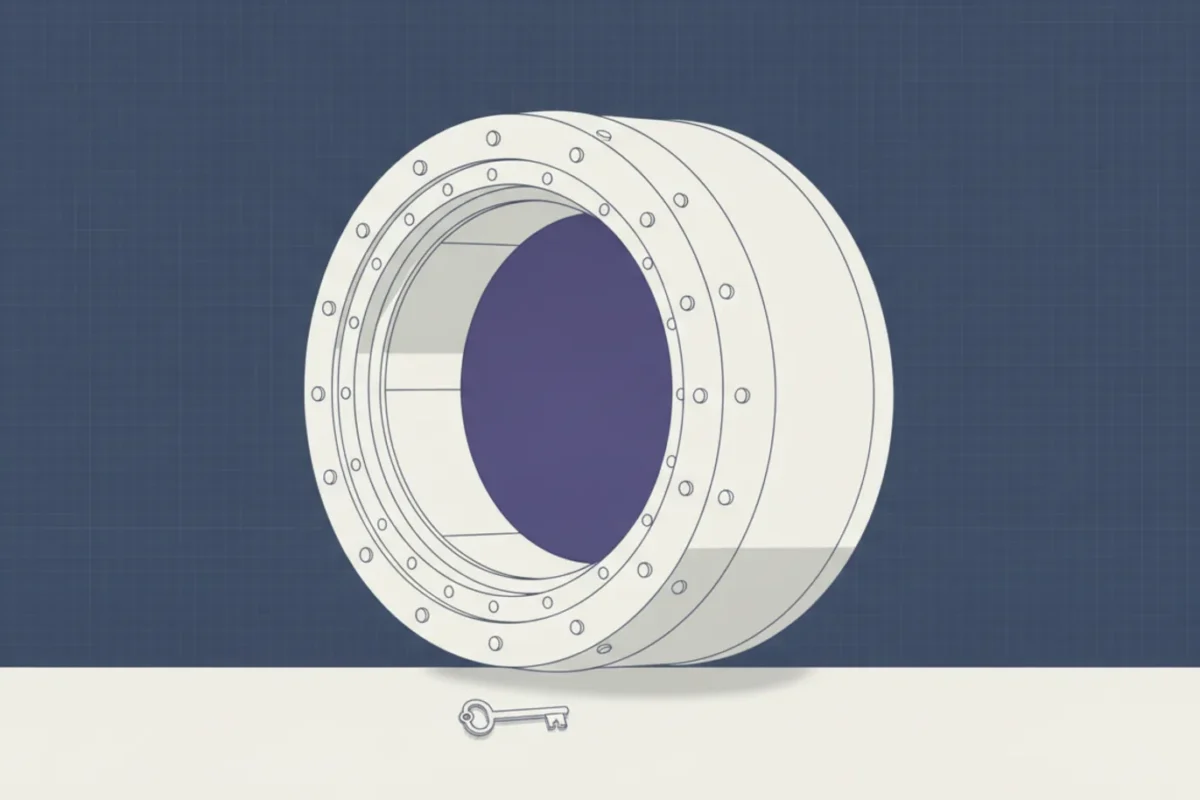
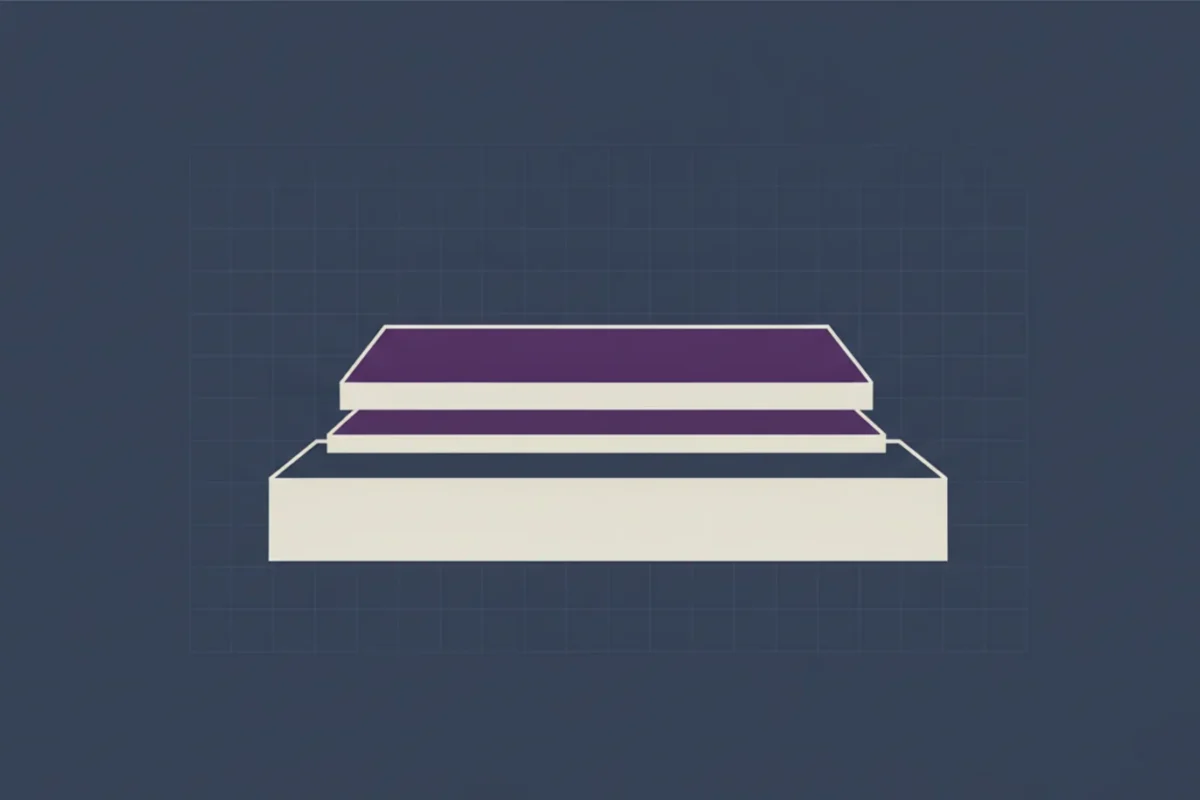
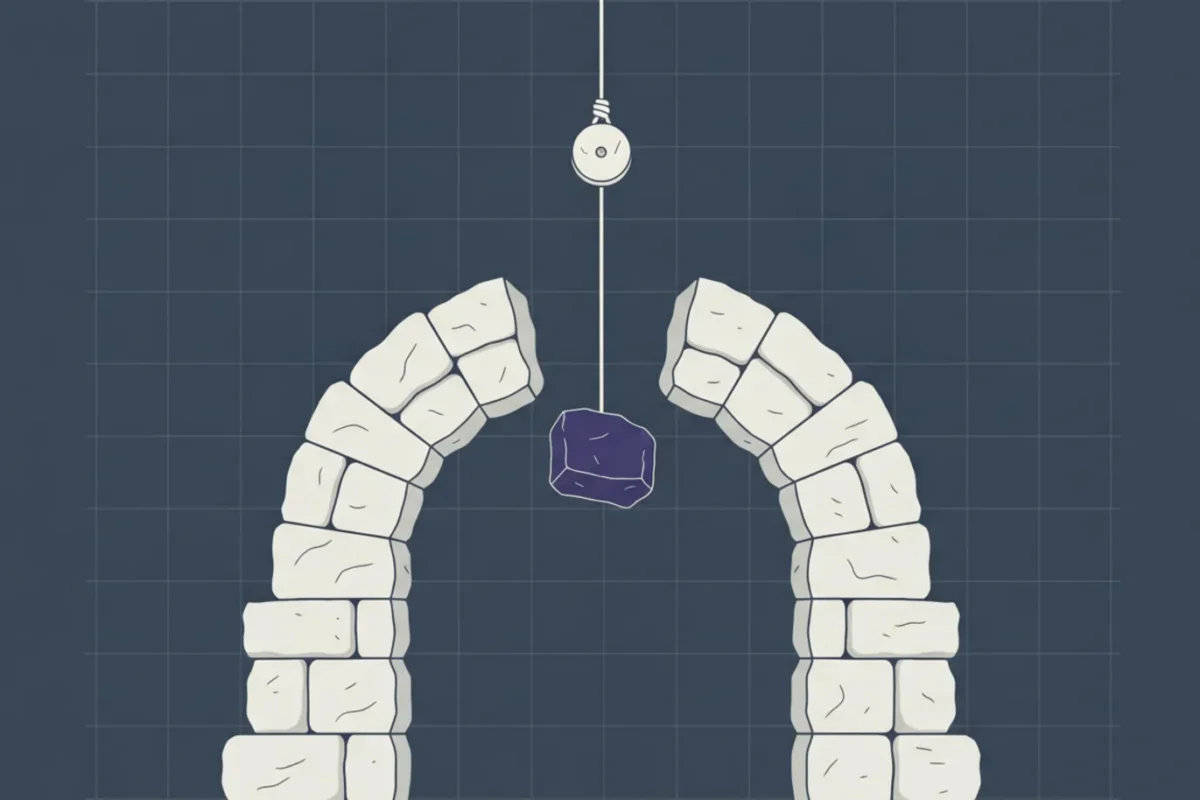
A hardware wallet makes three distinct guarantees, and they are usually collapsed into one in people’s heads:
- Generation — your key was created with real entropy, inside the device.
- Custody — the key never leaves the device, and cannot be extracted by software on your computer.
- Display — the device shows you what you are actually about to sign.
The incidents in our tracker until now broke the third. The Ledger Connect Kit compromise and the Radiant Capital breach both involved users approving a misrepresented transaction. The device custody held; the display was defeated, or simply not read.
The one that just broke
Generation is different in kind, because it is the only one a user cannot verify after the fact. You can check a destination address on the device screen. You can decode a payload on separate infrastructure. You cannot look at a seed you generated in 2022 and determine how much entropy went into it.
It is also the promise with the longest blast radius. A display failure costs you one transaction. A generation failure means every key made under that firmware was weak from the moment it existed, and stays weak until it is replaced.
Why it went unnoticed for five years
Because low-entropy output is indistinguishable from high-entropy output by inspection. A seed generated with 72 bits looks exactly like one generated with 128. Nothing malfunctions, no error surfaces, and every wallet works normally. The defect is only detectable by auditing the code path — which is why it survived a firmware migration and years of shipping.
This is the same structural lesson as the Curve/Vyper compiler flaw: source that reads correctly, behaviour that is not. The trusted computing base includes the toolchain, and the toolchain includes whichever fallback path a dependency silently takes.
What this does not mean
It does not mean hardware wallets are pointless, and we are not going to write that headline. Custody — promise two — has held up remarkably well across every incident in our record. Keys are not being extracted from devices.
What it means is narrower and more useful: the guarantees are separable, they fail independently, and the one you cannot audit is the one that just failed. For anyone specifying a custody setup, supplementing device entropy from an independent source, or using a strong passphrase, moves generation out of sole dependence on the vendor’s firmware.
Sources
- Blockhead, A five-year-old Coldcard bug let hackers guess bitcoin wallet keys, Coinkite confirms (3 Aug 2026)
- Bitcoin Foundation, Hardware Bitcoin Wallet Bug Puts Years of BTC Seeds at Risk (2 Aug 2026)
Not advice. Conisec reports for information only. Nothing in this article is financial, legal, tax or security advice. Verify against the primary sources linked above before acting on anything.