Verifying that verification happened
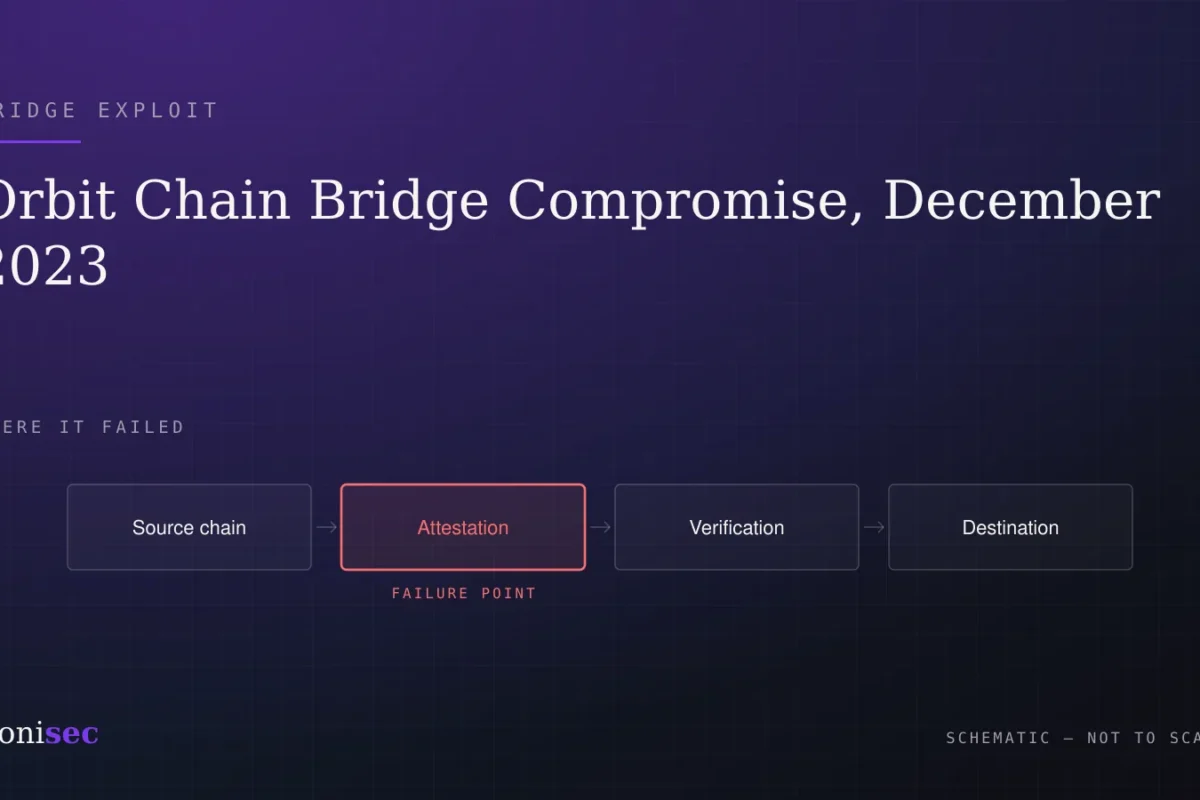
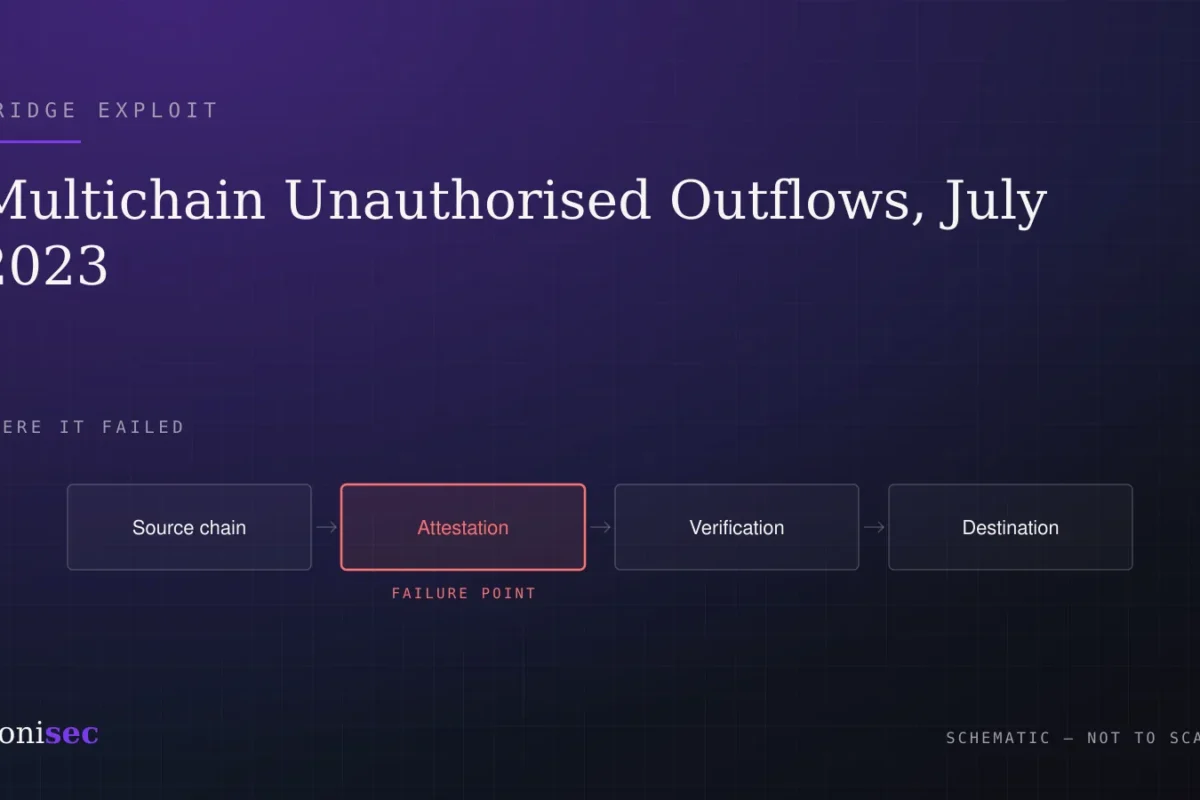
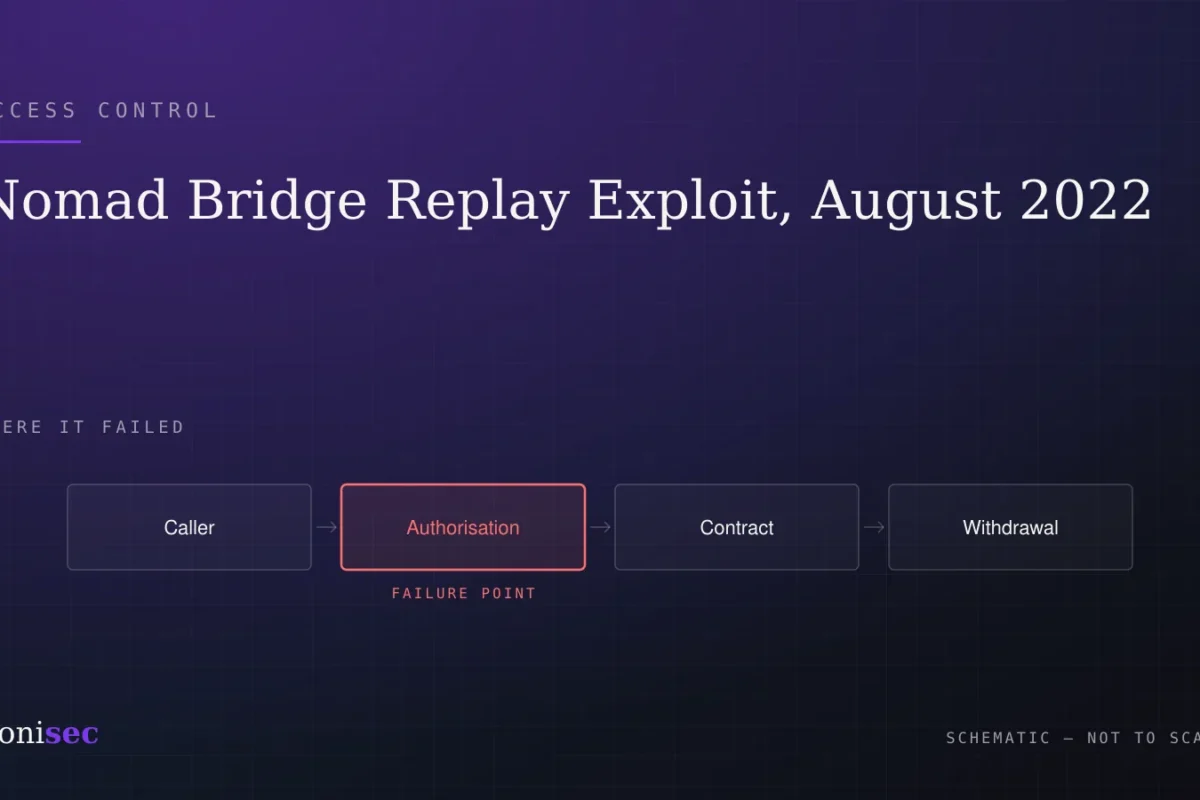
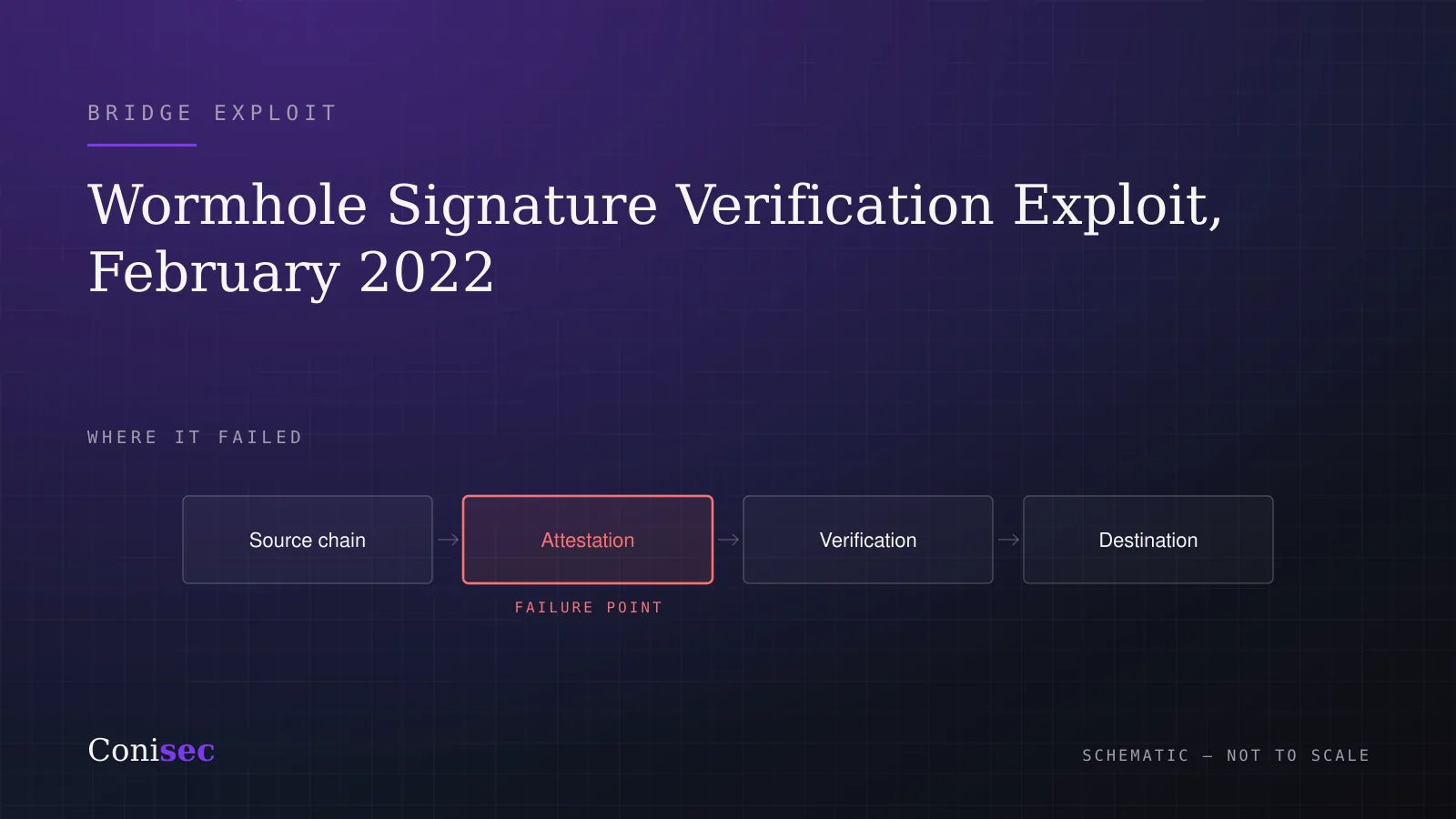
Wormhole’s security model rests on a guardian set whose signatures attest that a deposit occurred on the source chain. The Solana-side contract was responsible for checking those signatures before minting wrapped assets. The flaw allowed that check to be satisfied without genuine guardian approval — so the contract minted 120,000 wETH against a deposit that had never been made.
Collateralisation is a claim until you check it
The practical exposure for a user was subtle. Wrapped assets on Solana continued to function normally; nothing visibly broke for a holder. What had changed was that the wrapped supply exceeded the collateral backing it. Had the shortfall not been covered, the peg would have been the thing that failed, and holders would have discovered the problem at the moment they tried to redeem.
This is the honest lesson of the incident, and it is uncomfortable: solvency was restored by a sponsor’s balance sheet. Wrapped-asset holders were made whole by a discretionary act. When evaluating any wrapped or bridged asset, the question is what happens if the backer declines — because that is the scenario the wrapper is supposed to survive on its own.
Timeline
Append-only. Corrections are added as their own dated entry; earlier entries are never rewritten.
What to check
Wormhole published a written incident report, linked below, with the technical detail of the verification flaw and the remediation.
Conisec does not host or link recovery, revocation or "checker" tools. After a public incident, attackers routinely seed exactly those links using the names of publications covering the story. Use the affected project's own official channel, linked above, and nothing else.
Sources
- Wormhole, Wormhole Incident Report — 02/02/22 (3 Feb 2022)
Not advice. This is a summary of published facts, not legal, tax or security advice. Verify against the primary sources linked above.
Last verified by Conisec Staff.