
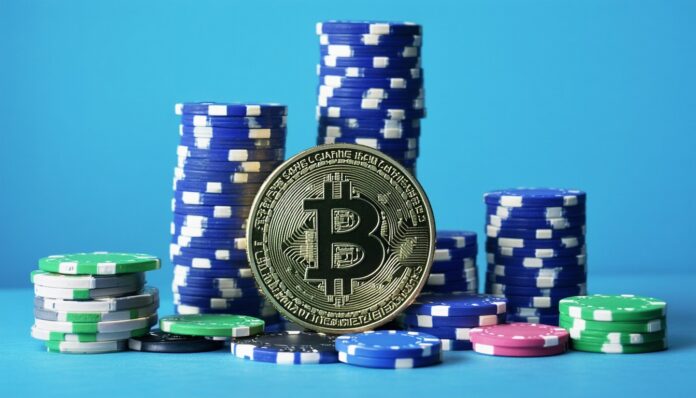
For many, online gambling and cryptocurrency represent the cutting edge of digital innovation. Yet, for those seeking long-term stability—especially as 2027 approaches—the meaning of “safe” in the context of altcoin casinos is more nuanced than ever. The promise of lucrative rewards often collides with concerns about regulation, volatility, and security, prompting both seasoned players and cautious newcomers to reevaluate what truly constitutes a “safe” casino in the fast-moving altcoin world.
Understanding “Safety” in the Altcoin Casino Sector
More Than Just Security: The Multi-Dimensional Nature of “Safe”
When discussing a “safe” altcoin casino, traditional notions of platform security—such as encryption and anti-fraud measures—are only one piece of the puzzle. For players seeking stability over the long term, factors like regulatory licensing, fair gaming practices, custody of digital assets, and the underlying volatility of supported cryptocurrencies play a vital role.
A sustainable platform in 2027 must balance these priorities, responding to both evolving regulations and user expectations. Many sites now pursue licenses in respected jurisdictions, maintaining anti-money laundering protocols and transparency in their smart contracts, particularly as governments clamp down on illicit crypto gambling.
“True safety in an altcoin casino context means offering more than cold wallets and SSL certificates—it’s about robust governance, transparent operations, and aligning incentives for both players and the platform,” notes a leading blockchain gaming consultant.
Trends in Altcoin Casino Growth and Regulation
The altcoin casino sector has experienced double-digit growth over recent years, driven by increasing interest in decentralized gaming and alternative coins such as Ethereum, Solana, and Litecoin. However, this growth brings challenges, especially as regulatory scrutiny intensifies globally. High-profile compliance actions in markets like the UK and EU have reshaped the strategies of major players, pushing platforms to invest in know-your-customer (KYC) and responsible gambling frameworks.
Meanwhile, the maturing of Layer 2 solutions and Rollups has enabled more efficient, low-cost transactions, making frequent micro-betting and innovative reward models viable for both the operator and the end user.
Core Elements of a “Safe” Altcoin Casino in 2027
Transparent Licensing and Regulatory Alignment
Increasingly, casinos that wish to market themselves as “safe” must spotlight their licenses from established authorities, such as the Malta Gaming Authority or equivalent African and Asian regulators. Transparency around procedures, anti-fraud measures, and handling of disputes fosters long-term trust and helps mitigate some of the reputational risks associated with altcoins.
Transparent platforms now feature real-time auditing tools and provably fair algorithms. These systems allow independent verification that outcomes aren’t manipulated—a vital safeguard for those dealing with unbacked or inflation-prone coins.
Responsible Asset Custody and Wallet Integration
The risk profile of an altcoin casino is heavily influenced by how it manages player funds. Reputable platforms have shifted from holding user deposits in custodial wallets to using non-custodial or hybrid systems. These approaches let users maintain control over their private keys, reducing the risk of platform-side hacks or insolvency—the latter a persistent fear after several notorious exchange and casino collapses in the early 2020s.
Furthermore, growing adoption of multi-sig wallets and integration with decentralized identity solutions (DID) add further layers of security for long-term users.
Navigating Altcoin Volatility
While Bitcoin remains the most recognized crypto for gambling, altcoins open the door to diverse bets and ecosystems. Yet price volatility can undo hours of careful play: a win in an obscure coin may shrink in value before a user has even withdrawn.
Forward-thinking casinos are tackling this with features like:
- Stablecoin betting options: Enabling play in coins pegged to fiat currencies, reducing volatility exposure.
- Instant conversion tools: Allowing automatic swaps to more established coins or stablecoins upon withdrawal.
- Risk disclosure dashboards: Educating users about the unique risks tied to each asset they stake or receive.
Fairness, Game Integrity, and Player Protections
Fairness remains foundational. Leading platforms publish cryptographic proofs of randomness, and community-led audits encourage open dialogue about security flaws. More importantly, self-exclusion tools and limits now commonly extend into the crypto sphere—reflecting an industry-wide maturation.
Case studies from large platforms like Stake.com and Roobet illustrate the power of community engagement, with regular public security audits and transparent handling of payout disputes.
Real-World Scenarios: Who Benefits from “Safe” Altcoin Casinos?
Long-term stability isn’t just technical or regulatory—it’s personal. Seasoned players who value low transaction fees and exclusive altcoin jackpots may find the risk acceptable, especially if they hedge with stablecoins or only play with funds they can afford to lose.
On the flip side, occasional gamers lured by “next big thing” tokens may misconstrue marketing for safety, learning too late about the dangers of rug pulls or liquidity crunches during sharp price drops. Thus, education and transparent disclosures aren’t just best practice—they’re essential for user protection.
The Sustainability Factor: What Longevity Looks Like in 2027
Evolving Expectations and the Impact of AI
As artificial intelligence and predictive analytics enter the industry, casinos can now offer real-time risk assessments and tailored advice to users. For example, pattern recognition tools can preempt compulsive behaviors or flag suspicious activity. While not a panacea, these innovations nudge the industry closer to parity with regulated fiat casinos.
Community-Governed and DAO-Run Casinos
Increasingly, decentralized autonomous organizations (DAOs) are experimenting with casino models that return governance and profits to token holders. While this can align incentives, the complexity of DAO voting and on-chain governance creates new security challenges that responsible platforms need to address.
A sustainable, “safe” altcoin casino must therefore combine robust technical innovation with transparent governance, robust user protections, and a candid approach to risk.
“The future of safe altcoin casinos isn’t about eliminating risk—it’s about empowering users to make better-informed choices, building durable systems, and earning trust as the foundation for growth,” observes an international gaming policy expert.
Conclusion: What Safety Really Means for Altcoin Casinos in 2027
Long-term stability and safety in altcoin casinos arise from a mosaic of factors—regulatory compliance, technical security, clear user education, and an adaptive approach to shifting markets. Platforms that thrive in 2027 will be those that balance user autonomy with robust protections, invest in transparent governance, and constantly update systems to reflect both opportunity and risk. For players, informed participation remains the best safeguard, while the industry as a whole must continue moving toward higher standards of oversight and openness.
FAQs
What makes an altcoin casino “safe” compared to traditional online casinos?
A safe altcoin casino combines strong security features, regulatory licensing, transparent financial practices, and player protection tools. They also provide clear disclosures about volatility risks and asset custody.
How do altcoin casinos address cryptocurrency volatility for stable play?
Many offer stablecoin betting options, instant conversion features, and risk disclosure dashboards to help players understand and manage volatility. This reduces the impact of sudden price swings on winnings.
Can I trust casinos operated by decentralized autonomous organizations (DAOs)?
DAO-run casinos can offer transparency and community-driven governance, but users should carefully review the platform’s audit history, smart contract security, and voting protocols before committing funds.
How can I verify the fairness of games at a crypto casino?
Look for casinos that use provably fair algorithms and publish third-party audit reports. These measures help ensure that games are genuinely random and unmanipulated.
What role do regulations play in ensuring casino safety in 2027?
Tighter regulations require casinos to adhere to anti-money laundering rules, responsible gambling guidelines, and transparent licensing. This promotes accountability and creates safer conditions for players.
Are non-custodial wallets better for protecting my funds at altcoin casinos?
Non-custodial wallets allow you to retain control of your private keys, minimizing the risk of loss through hacks or platform failures. Many modern casinos support or encourage non-custodial solutions for greater security.